

Pokljuka is an extensive, forest‑covered high karst plateau in the eastern part of the Julian Alps, rising between 1,100 and 1,400 metres above sea level. It stretches between the valleys of the Sava Bohinjka and Sava Dolinka; it measures roughly 20 km east–west and up to 10 km in width, with a total area of about 6,300 hectares. It is the largest continuous forest complex within Triglav National Park.
Geological Structure
The plateau is built of Upper Triassic limestones and dolomites, which are highly permeable due to fissures and karst processes. As a result, Pokljuka has almost no surface watercourses. Pleistocene glaciation further shaped the landscape: the Bohinj Glacier left behind morainic deposits, glacial depressions and fossil gorges, the most notable being the Pokljuka Gorge.
Geomorphological Features – Raised Bogs
Pokljuka is one of the most important areas of high, ombrotrophic raised bogs in the southern Alps. These peatlands are among the southernmost preserved raised bogs in Europe. They formed after the retreat of the glacier 12,000–18,000 years ago, when peat sediments began to accumulate in glacial basins, fed exclusively by precipitation.
The most important bogs are:
-
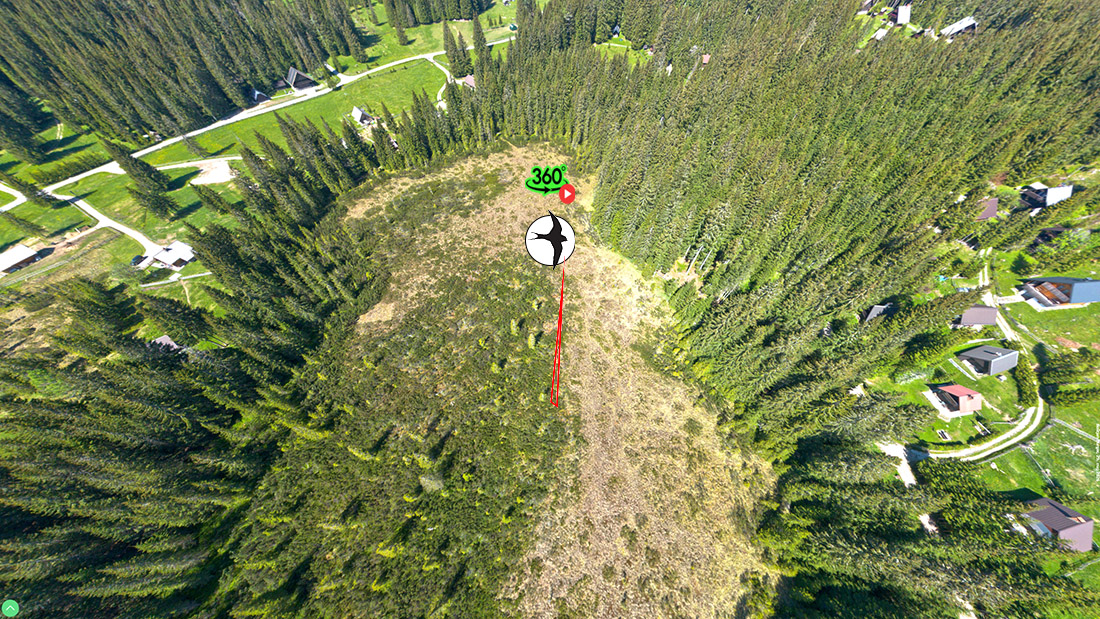
Goreljek,
-
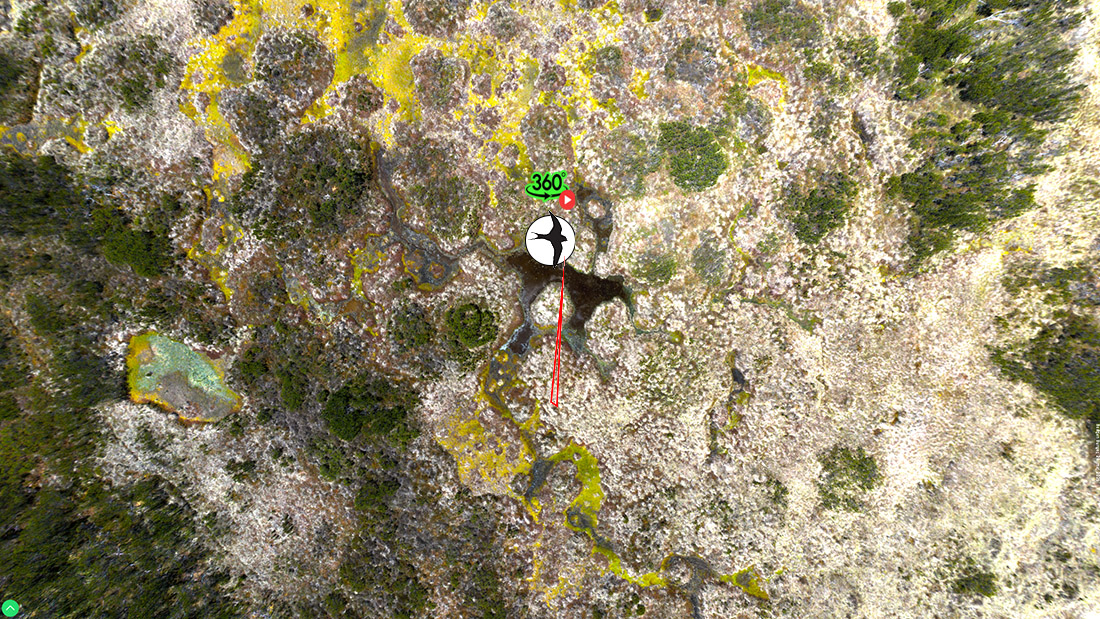
Šijec,
-
Veliko Blejsko barje (Great Bled Bog).
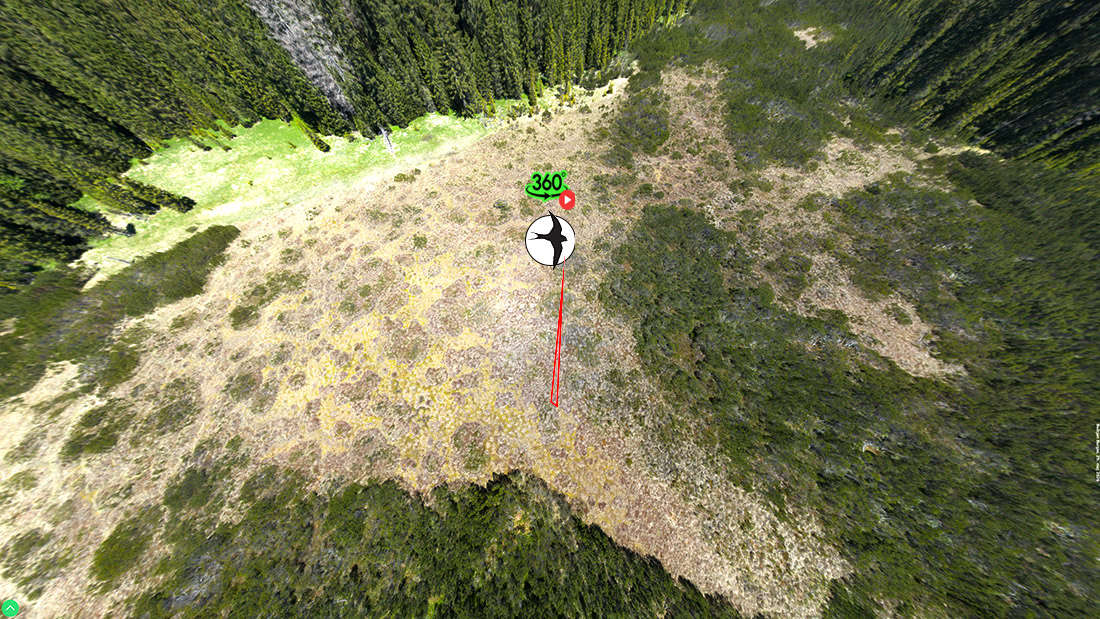
These are extremely sensitive ecosystems with rare plant and animal species and are therefore protected under the strictest conservation regime of Triglav National Park.
Climate
Pokljuka has a cold, humid and distinctly alpine climate. Annual precipitation ranges between 1,500 and 2,000 mm, and up to 3,000 mm around Debela peč. Winters are long, with snow cover often lasting more than 120 days, while summers are short and cool. Morning fog and temperature inversions are frequent.
Original Vegetation
Beech Forest as the Original Vegetation
Historical and forestry sources confirm that the original, natural vegetation of Pokljuka was predominantly beech forest. Beech covered most of the plateau before it was extensively logged in the 18th and 19th centuries for ironworks, charcoal production and grazing.
Spruce Forests as a Result of Human Influence
After large‑scale deforestation, the area:
-
naturally regenerated with spruce,
-
and was additionally reforested with spruce due to its economic value.
Thus, spruce dominates today, but it is not the original species composition—it reflects historical land use and reforestation practices.
Historical Land Use – Forestry, Alpine Pastures and Grazing
For centuries, Pokljuka was an important pastoral and forestry landscape. Alpine pastures (planine) were a key element of traditional land use: cattle (and occasionally sheep) grazed here in summer, dairy products were produced, and the open cultural landscape was maintained.
The Role of Alpine Pastures
The pastures served several functions:
-
summer grazing of cattle and sheep,
-
production of milk, cheese and curd,
-
maintenance of open landscapes,
-
reduction of fire risk through regular grazing,
-
social and economic importance for farms from Bohinj and the Radovljica area.
With the decline of grazing in the 20th century, many pastures began to overgrow, while some have been restored and integrated into tourism.
Major Alpine Pastures on Pokljuka
-
Planina Javornik
-
Planina Konjščica
-
Planina Uskovnica (on the edge of the plateau, historically linked to the Pokljuka grazing system)
-
Planina Zajamniki
-
Planina Zgornji and Spodnji Goreljek
-
Planina Klek
-
Planina Lipanca
-
Planina Jelje
-
Planina Rečiška
-
Planina Grajšca
-
Planina Zajavornik
Road Infrastructure
Pokljuka is accessible via two main road approaches:
1. Bohinj Route (Bohinjska Bistrica – Koprivnik – Gorjuše – Pokljuka)
-
asphalted and well maintained,
-
regularly ploughed in winter,
-
the most common choice for visitors from Bohinj.
2. Bled Route (Bled – Zgornje Gorje – Mrzli Studenec – Rudno polje)
-
main access road to the Rudno polje Biathlon Centre,
-
wide, well arranged, with several parking areas,
-
often snowy in winter but well maintained.
Forest Roads
The plateau is interwoven with forest roads and tracks leading to pastures and forest parcels. Most are:
-
gravel roads,
-
closed to public traffic,
-
intended for forestry, pasture supply and emergency vehicles.
Road conditions are generally good, but winter driving requires caution due to altitude and snow.
Holiday Homes and Tourist Accommodation
Pokljuka has a long tradition of mountain lodges, military facilities and workers’ holiday homes, many of which have been renovated and incorporated into tourism.
Major Accommodation Facilities
-
Šport Hotel Pokljuka (Goreljek) – the largest accommodation facility on the plateau.
-
Hotel Center Pokljuka (Rudno polje) – the central hub for biathlon events.
-
Dom na Pokljuki (Mrzli Studenec) – a traditional mountain lodge.
-
Uskovnica Mountain Hut – on the edge of the plateau, a starting point for many hikes.
-
Lipanca Hut (below Debela peč) – a popular mountain refuge.
-
Pokljuka Military Barracks (Rudno polje) – used partly for sports training.
-
Mountain huts and shepherds’ cottages on Zajamniki, Konjščica, Zajavornik and other pastures – some restored, others preserved in traditional form.
Former workers’ holiday homes (e.g., from Ljubljana, Jesenice, Kranj) have mostly been converted into tourist facilities or private holiday houses.
Sports and Recreation Today
Pokljuka is one of the most important recreational areas in the Julian Alps. It offers:
-
the Rudno polje Biathlon Centre,
-
hiking trails (Viševnik, Debela peč, Uskovnica, Lipanca),
-
cycling and running routes,
-
cross‑country skiing, snowshoeing, ski touring,
-
nature trails through bogs and forests.
Its accessibility and location make Pokljuka one of the most popular gateways to Triglav National Park.
Former Ski Centres on Pokljuka – Development, Decline and Present State
In the 20th century, Pokljuka had several small ski centres, once an important part of local tourism. Due to climate change, economic pressures and changing visitor habits, they gradually disappeared. The best‑known among them is Zatrnik, the main ski area on the eastern edge of the plateau.
Zatrnik – From Popular Ski Resort to Decline and Revival
Located between Gorje and Pokljuka, Zatrnik was one of the most visited family ski resorts in Gorenjska from the 1960s to the 1990s. It featured:
-
several ski lifts (e.g., Zatrnik, Podhom, Jelka),
-
groomed slopes for recreational skiing,
-
a ski school,
-
a restaurant and parking area,
-
proximity to Bled, attracting many day visitors.
Its decline began in the 1990s due to:
-
lack of snow and increasingly short winters,
-
outdated infrastructure,
-
financial difficulties of operators,
-
competition from larger resorts (Vogel, Krvavec, Kranjska Gora).
The ski area ceased operation, lifts deteriorated, and nature began reclaiming the slopes.
Current State of Zatrnik
In recent years, Zatrnik has undergone partial revitalisation:
-
hiking and sledding areas have been arranged,
-
some infrastructure has been restored for winter recreation without ski lifts,
-
the area is shifting towards a nature‑based recreational destination,
-
the focus is on sustainable tourism, not classic alpine skiing.
Given climate conditions and conservation restrictions, rebuilding a larger ski resort is unrealistic. Development now emphasises year‑round activities: hiking, cycling, sledding, nature programmes and family recreation.
Other Former Ski Areas on Pokljuka
Besides Zatrnik, several smaller ski areas once operated on Pokljuka:
1. Rudno polje Sports Centre – Former Alpine Training Slopes
-
In the 1970s and 1980s, training slopes for alpine skiing were maintained,
-
abandoned due to unreliable snow and the rise of biathlon,
-
today transformed into a world‑class biathlon venue.
2. Goreljek Ski Area
-
A small lift for local visitors and children,
-
operated only in good snow years,
-
now closed; the area is used for cross‑country skiing and winter recreation.
3. Javornik Pasture Ski Lift
-
A short lift serving mainly local residents,
-
abandoned in the 1990s due to lack of snow and economic viability.
4. Village Lifts (Gorjuše, Koprivnik)
-
Part of the winter sports tradition on Pokljuka,
-
now completely abandoned.
Why Did Ski Centres on Pokljuka Disappear?
Key reasons include:
-
climate change – shorter winters, less snow, frequent thaws,
-
high maintenance costs of ski‑lift infrastructure,
-
competition from larger resorts with artificial snowmaking,
-
strict conservation rules of Triglav National Park,
-
changing tourist preferences toward year‑round activities.
Pokljuka has therefore shifted from an alpine‑skiing area to a centre for Nordic sports, hiking and nature‑based recreation.