

Jezersko lies in a high Alpine basin between the Kamnik–Savinja Alps and the Karawanks, right on the border with Austria, where the cultural worlds of Gorenjska and Carinthia have met for centuries. Administratively it belongs to Gorenjska, yet historically the area was strongly connected with Carinthia as well, a blend still visible in local dialects, house names, and the old trade routes that once crossed the mountains. The landscape is distinctly glacial in origin: the valley has the characteristic U-shape carved by ice, its slopes are scattered with moraines and erratic boulders, and the surrounding cliffs reveal a mixture of ancient Devonian coral-reef limestones and younger sediments uplifted during the formation of the Alps.
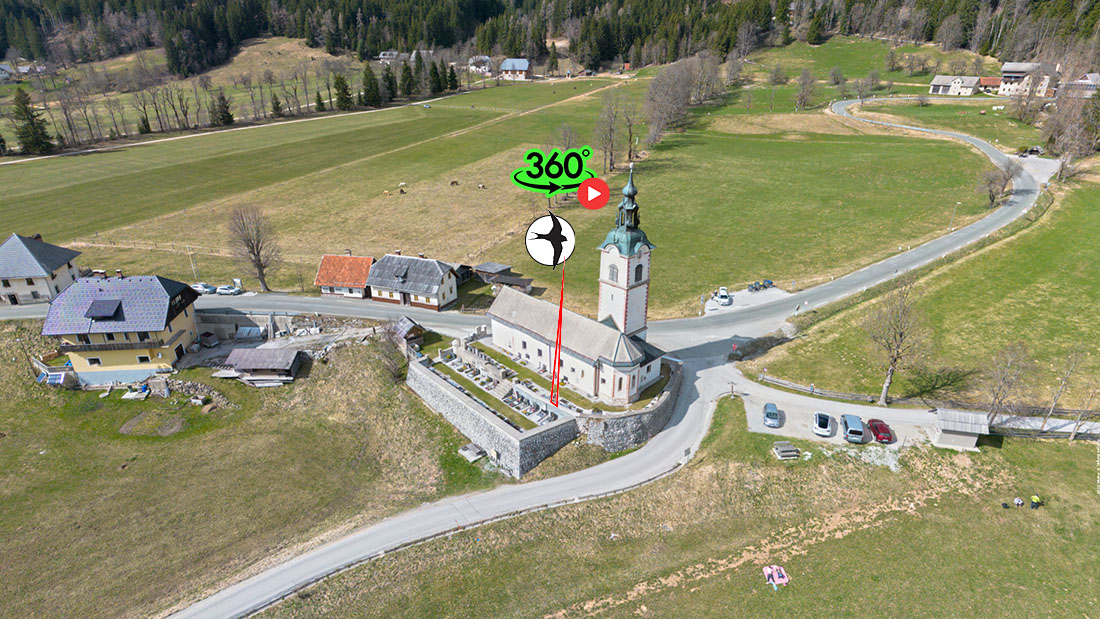
The name Jezersko comes from a large glacial lake that once filled the valley after the last Ice Age. It stretched from the area of today’s Church of St. Andrew all the way to the old Church of St. Oswald. In 1348, an earthquake near Villach damaged the natural barrier that held the water, opening a drainage channel. The lake slowly emptied, leaving behind fertile land on which farms, pastures, and the later famous Jezersko–Solčava sheep breed developed.
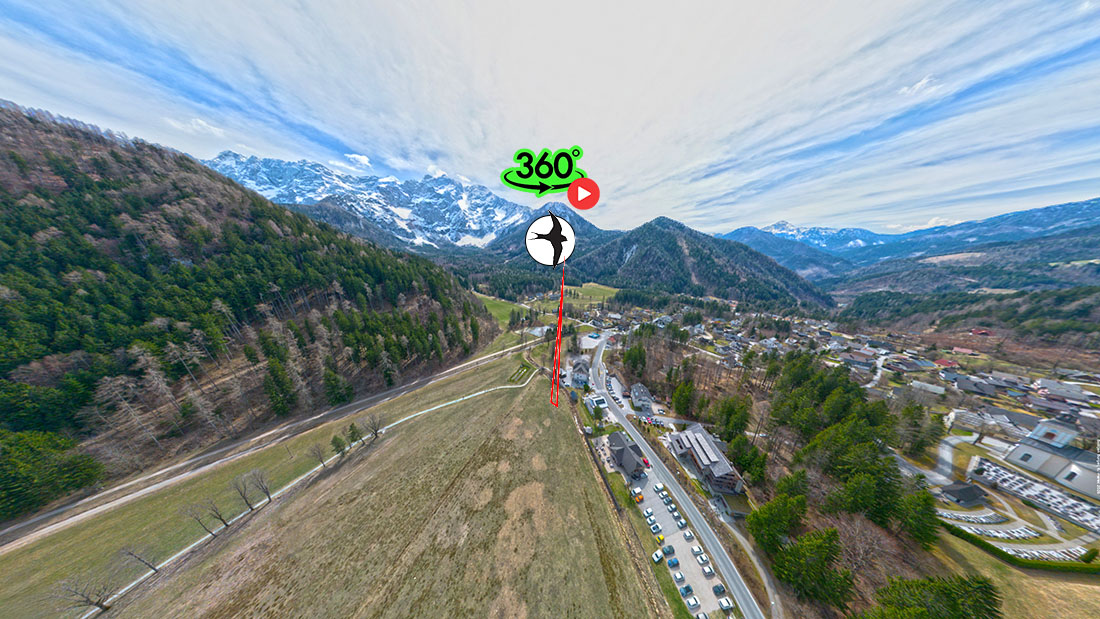
The seat of the municipality is the settlement of Zgornje Jezersko, situated at an elevation of about 906 metres. When compared with all municipal seats in Slovenia, it stands as the highest-lying municipal centre in the country, since no other municipality has its administrative seat at a greater altitude.
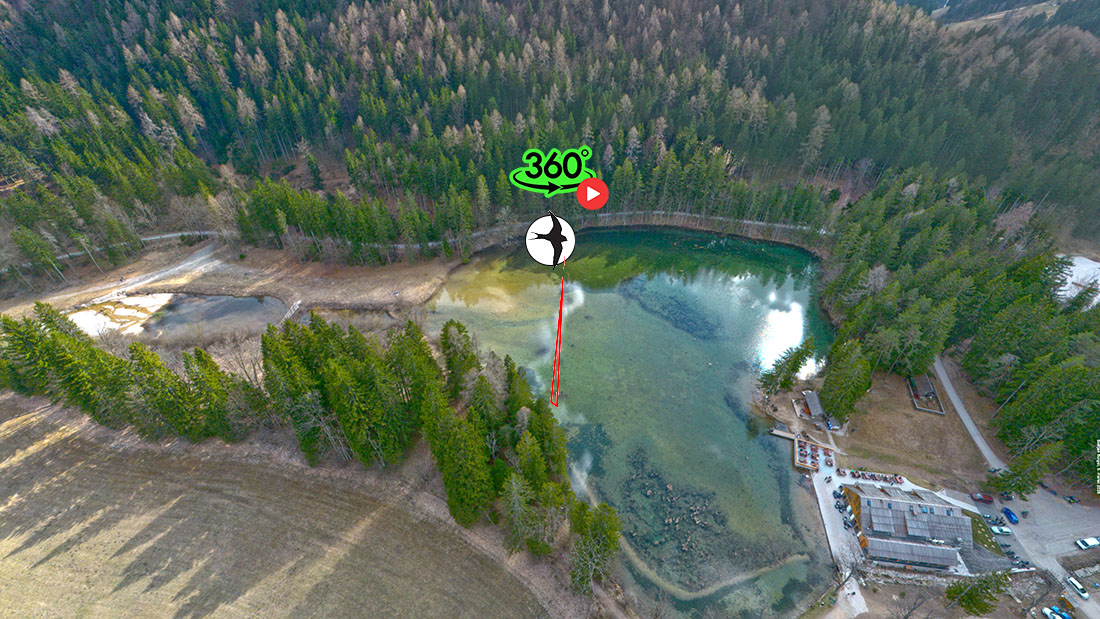
Today’s Planšarsko Lake is artificial and not a remnant of the ancient glacial lake. It was created by local inhabitants in the late 1930s, specifically in 1938, as a symbolic tribute to the great lake that once shaped the identity of the valley. Its purpose was commemorative and aesthetic: to honour the memory of the vanished lake, to enrich the landscape, and to provide a gathering place for the community. With its heart-like shape and idyllic setting, it quickly became the visual hallmark of Jezersko.
Tourism in Jezersko has a long tradition. As early as the 19th century, travellers came seeking fresh mountain air, tranquillity, and scenic views. Later, the valley gained a reputation as a climatic health resort, particularly known for treating eye diseases. The first mountain paths, inns, and guesthouses developed to serve both travellers and early tourists. Today, Jezersko is recognised as Slovenia’s first “mountaineering village”, committed to sustainable tourism, respect for nature, and preservation of the cultural landscape. Visitors come for hiking, mountaineering, cycling, climbing, ski touring, cross-country skiing, and the quiet rhythm of the valley. Planšarsko Lake remains the central point of relaxation and an inviting starting place for many routes, while Jezersko continues to be a place where nature sets the pace and people follow it.
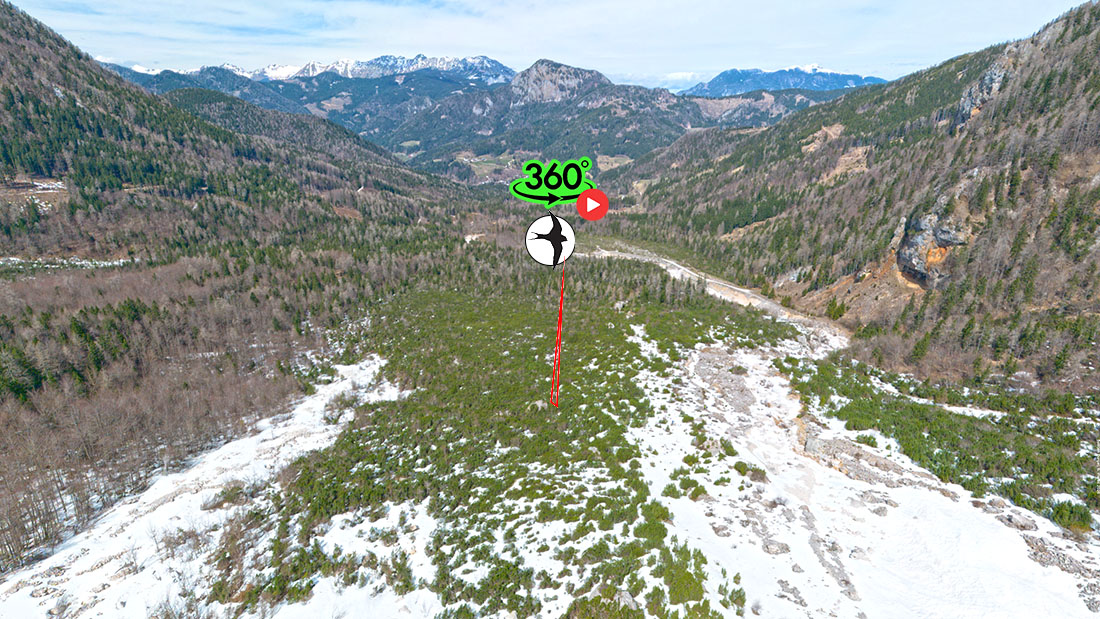
Makekova Kočna
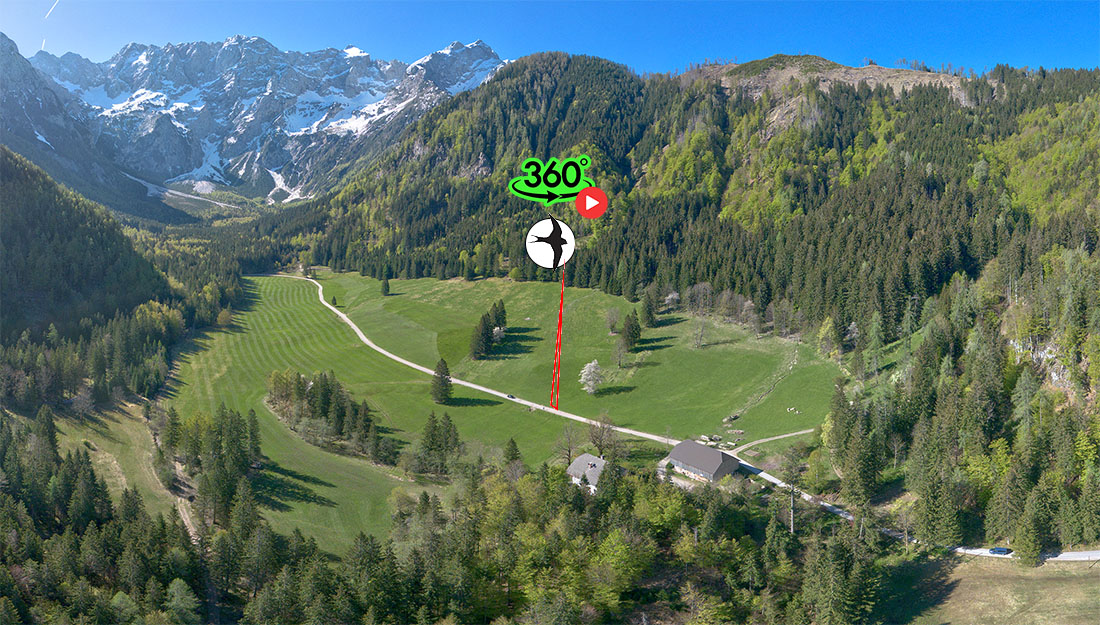
Ravenska Kočna
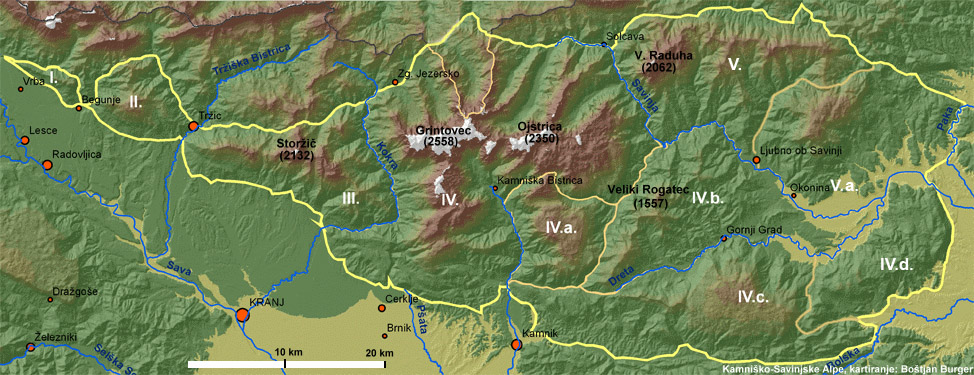
Kamnik-Savinja Alps